
 English
 Español
 Portugues
 Pусский
 Français
 Deutsch
 한국어
한국어 العربية
 Italiano
 Svenska
 Polski
 ไทย
ไทย Türk dili
 हिन्दी
 中文
中文 dansk
dansk қазақ
қазақ বাংলা
বাংলা فارسی
فارسی українська
 беларускі
 Suomalainen
 o'zbek
 Србија
 پښتو
پښتو საქართველოს
 Shqipëria
 Afrikaans
 Kikongo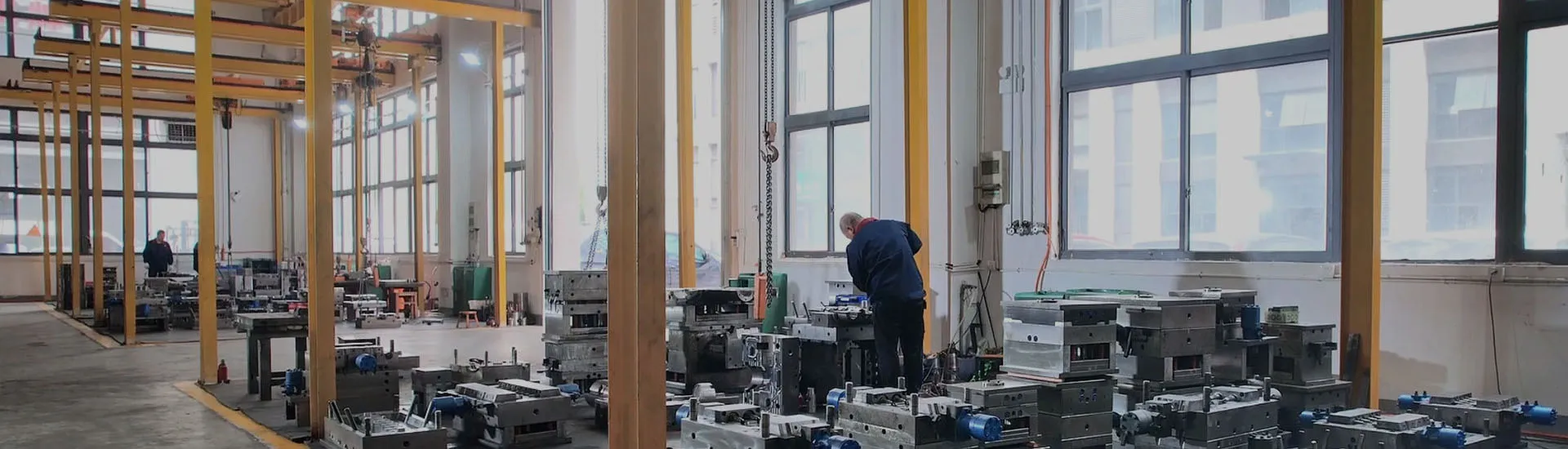
Khuôn ép khuỷu tay 90
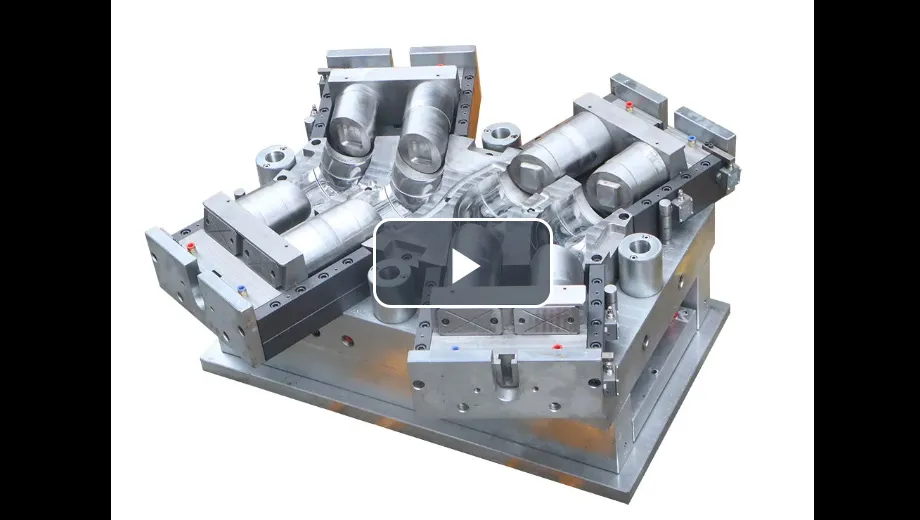
90° Elbow Injection Mold: Design and Manufacturing Overview A 90° elbow injection mold is a specialized tool used in plastic injection molding to produce 90-degree elbow fittings, commonly found in piping systems for fluid or gas transport. These fittings require precise dimensional accuracy, smooth internal surfaces, and high durability to withstand pressure and environmental factors. The mold design and manufacturing process must account for material shrinkage, cooling efficiency, and ease of demolding to ensure consistent part quality. Key Design Considerations 1. Part Geometry: The 90° elbow’s curved shape necessitates a multi-cavity or family mold design to balance flow paths and minimize warping. Core and ejector systems must align with the bend radius to avoid deformation during demolding. 2. Material Selection: Mold steel (e.g., P20, H13) is chosen for its wear resistance and thermal stability. For high-volume production, hardened steel or coatings (e.g., DLC) extend mold life. 3. Gating System: A hot runner system is often preferred to reduce material waste and ensure uniform melt distribution. Sub-gates or pinpoint gates are positioned to avoid weld lines in critical areas. 4. Cooling Channels: Conformal cooling channels follow the elbow’s contour to accelerate cycle times and prevent uneven cooling, which could cause sink marks or warpage. 5. Ejection Mechanism: Angular lifters or collapsible cores may be used to release the undercut geometry smoothly without damaging the part. Manufacturing Process - CNC Machining: High-precision milling and EDM (electrical discharge machining) create the mold cavities and cores with tight tolerances (±0.02 mm). - Surface Finishing: Polishing or texturing is applied to achieve the desired part surface (e.g., smooth for fluid flow or textured for grip). - Testing & Validation: Trial runs verify fill balance, cooling efficiency, and part dimensions. Adjustments to gate size or cooling layout are made as needed. Challenges & Solutions - Warpage: Optimized cooling and uniform wall thickness mitigate distortion. - Flash: Tight shut-off surfaces and proper clamp force prevent material leakage. - Cycle Time: Conformal cooling and automated ejection reduce production time. Applications 90° elbow molds produce fittings for plumbing, automotive, and industrial systems, typically using materials like PP, PVC, or PEX. The mold’s durability and precision ensure compliance with industry standards (e.g., ASTM, ISO). In summary, a well-designed 90° elbow injection mold combines advanced engineering with meticulous manufacturing to deliver high-performance plastic components efficiently.
Sản phẩm
Danh mục:
-
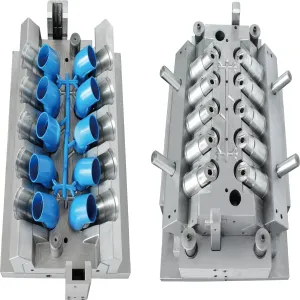
Khuôn ép ống khuỷu tay PVC 45°
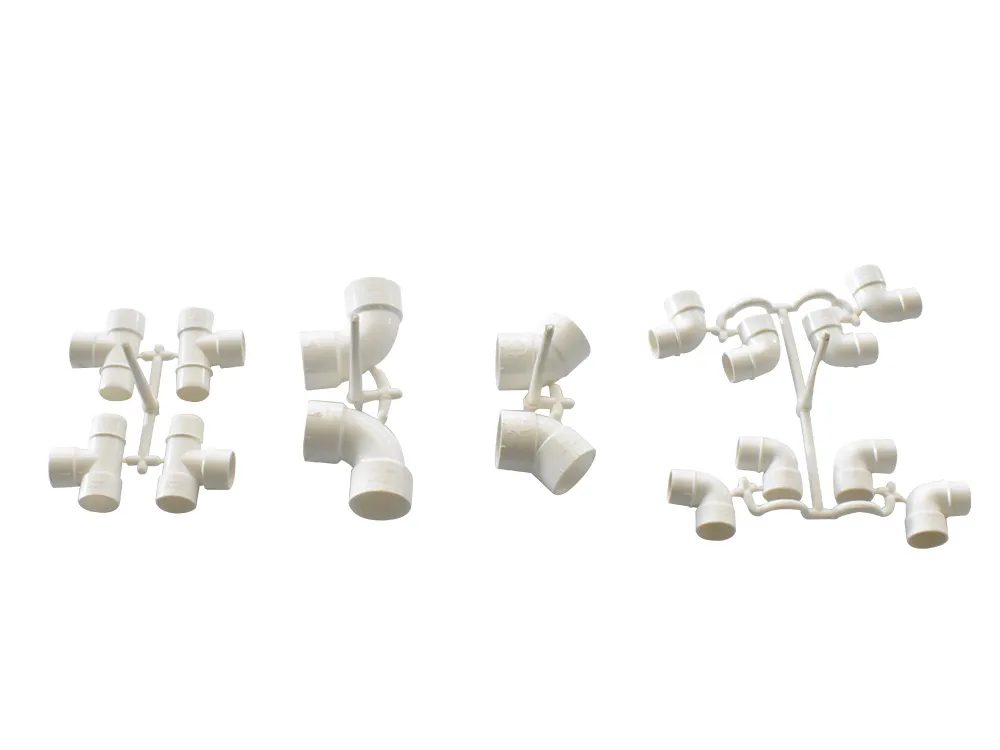
Phân loại của họ: Khuôn lắp ống nhựa PVCLượt xem: 482Số:Thời gian phát hành: 2025-10-28 21:16:52Khuôn ép ống khuỷu tay PVC 45°Tên khuôn:Khuôn ép ống khuỷu tay PVC 45°Khoang: 10 khoangKích thước khuôn: 50mmThép khuôn: Đức2316 china2316 or4cr13 cho khoang và lõiCổng: cổng trực tiếpcấu trúc khuôn:Chốt gócĐộ cứng của lõi/khoang: HRC 40-45°degree sau khi xử lý nhiệt chân khôngMáy ép phun: 320T Vấn đề tiêm nhựa PVC và giải pháp1. Thiếu nguyên liệu: Hiện tượng không đổ đầy khuôn thường xảy ra trong quá trình lắp ống phun. Khi máy ép phun mới bắt đầu hoạt động, do nhiệt độ khuôn quá thấp nên tổn thất nhiệt của vật liệu PVC nóng chảy lớn, dễ tạo ra quá trình hóa rắn sớm, điện trở của khoang kh...
Tin tức
Danh mục:
-
[industry news]Những vấn đề an toàn này phải được chú ý khi ép phun
2024-06-29 16:59:39
Trường hợp
Danh mục:
Video
Danh mục:

Tải về
Danh mục:
Không có kết quả tìm kiếm!
Tuyển dụng
Danh mục:
Không có kết quả tìm kiếm!
Sản phẩm được đề xuất
Không có kết quả tìm kiếm!




 Whatsapp
 Điện thoại